


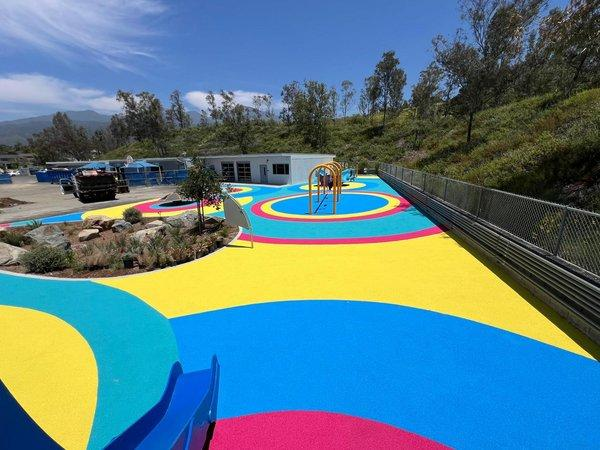
Regular EPDM surface maintenance helps control dirt buildup and identify damage before it spreads. For outdoor wet-pour rubber surfaces, an effective care routine combines debris removal, suitable cleaning methods and regular inspections. Always follow the maintenance instructions for the installed surfacing system. Care and Maintenance.docx
EPDM Surface Maintenance: Debris Removal
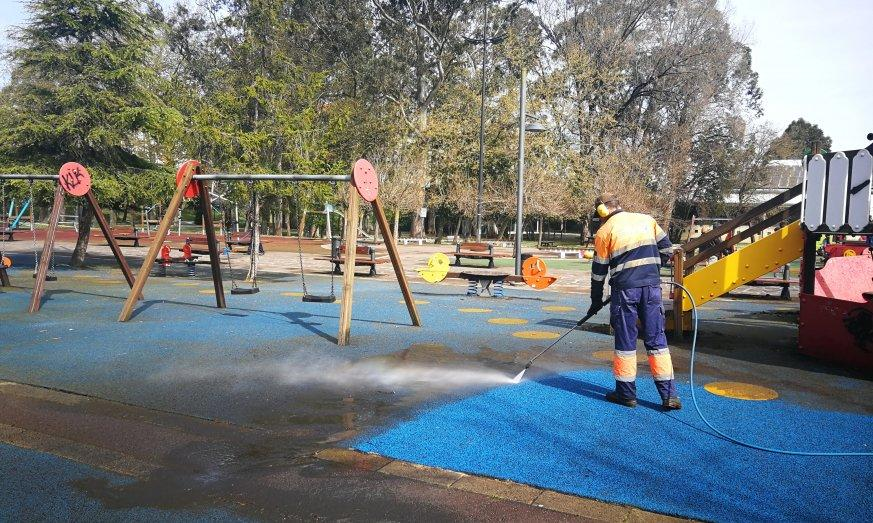
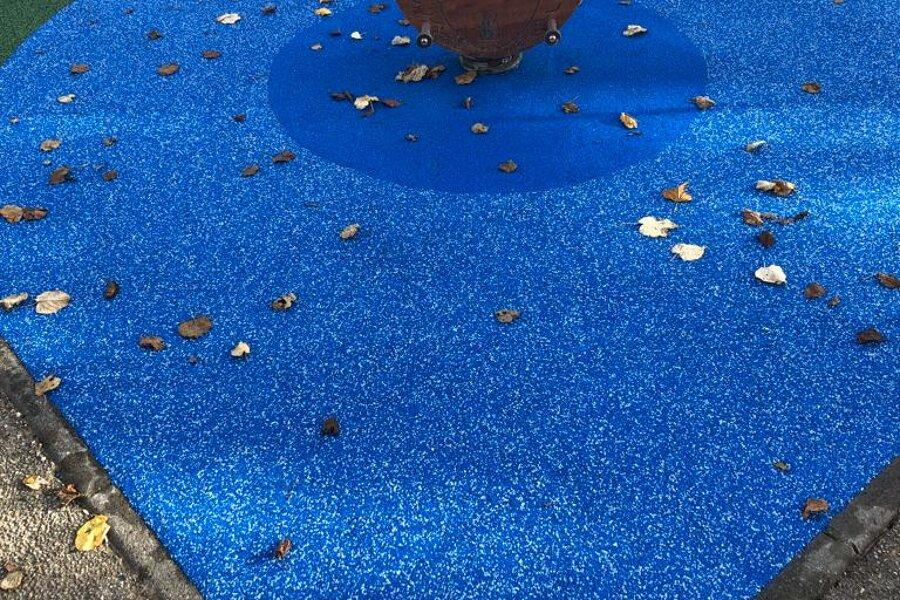
Use a suitable broom or leaf blower to remove leaves, litter and loose debris. Pay particular attention to areas beneath trees and around the edges of the surface.
Remove fallen vegetation before it accumulates and decomposes. Organic material left on the surface can encourage moss, algae and weeds, making cleaning more difficult. therubbercompany.com
Cleaning EPDM Surfaces and Removing Stains
For routine cleaning, use water, a mild detergent approved for the surface and a suitable nylon brush. Follow the cleaner’s dilution instructions, work gently and rinse thoroughly to remove residue.
Avoid abrasive pads, metal brushes and solvent-based cleaners that may damage the rubber or binder. Persistent stains should be assessed before stronger chemicals or aggressive scrubbing are used. Care and Maintenance.docx
Confirm Whether Pressure Washing Is Suitable
Pressure-washing instructions differ between surfacing systems. Some suppliers allow controlled pressure washing, while others advise against it because it can loosen EPDM granules or damage the polyurethane binder.
Before using pressure equipment, confirm the approved method with the surface supplier. Follow its requirements for equipment settings and nozzle distance instead of applying instructions written for a different product. Care and Maintenance.docx
Keep Drainage Paths Clear
For permeable EPDM systems, dirt can obstruct the small spaces that allow water to pass through the surface. Removing debris and maintaining surface cleanliness therefore supports drainage performance. Soft Surfaces
As a practical troubleshooting step, check accessible drainage outlets when water repeatedly collects in the same location. If pooling continues after cleaning, ask the installer to assess the surface and underlying drainage rather than assuming that further washing will resolve it.
Inspect Edges and Damaged Areas
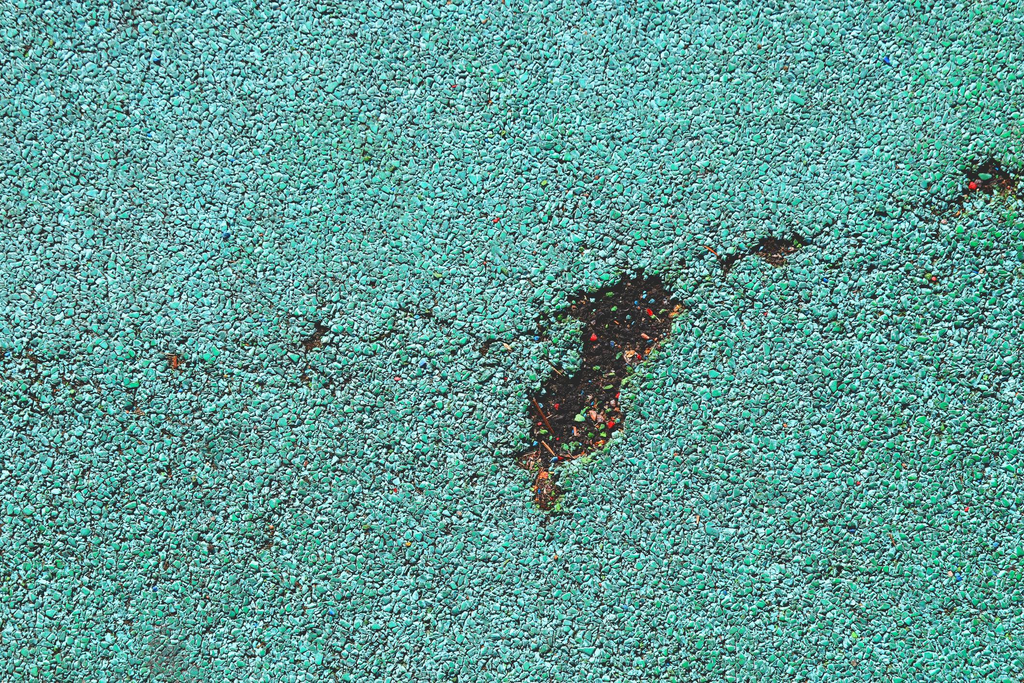
Look for cracks, holes, separation around edges and damage near equipment. Arrange repairs promptly, using materials and methods that match the original surface specification.
Where a defect makes the area unsafe, restrict access until it has been assessed and corrected. Cleaning should accompany inspections, since removing dirt alone does not address damaged surfacing. hags.com
Set a Maintenance Schedule for the Site
Inspection frequency should reflect site conditions, including usage levels, nearby trees and exposure to contamination. Heavily used areas may require daily visual checks, while more detailed inspections should follow the applicable maintenance plan. Keep a record of findings and completed work. DCM Surfaces
A practical maintenance log can include inspection dates, cleaning methods, photographs of damage and repair details. This gives the next person responsible for the site a clear record of issues that still need attention.
SEO Focus Keyphrase: EPDM Surface Maintenance
