FUXIN

Five EPDM Granule Colors and How to Compare Them

Five EPDM Granule Colors and How to Compare Them

EPDM granule colours can define routes, mark play zones or tie a surface to its surroundings. Review samples outdoors and ask for weathering data for the particular colour and binder system before choosing.
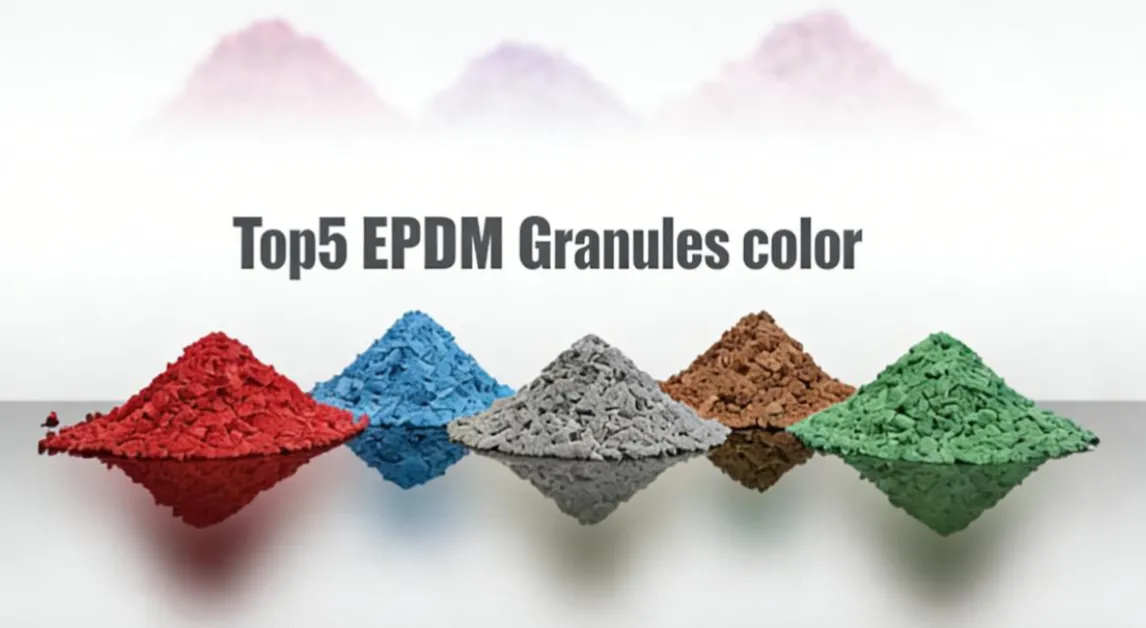
EPDM granule colour examples

Deep red

A familiar track colour that can contrast with lane markings. Compare it with your proposed line colours in daylight.

Navy blue

A darker tone for borders or activity zones. Check how it reads next to lighter colours and in shaded areas.

Gray

A neutral for transitions and broad areas. Compare a light and dark shade against adjacent buildings and paving.

Earth brown

An option for landscaped routes and nature-themed play zones. Check the sample next to soil, stone and planting.

Forest green

A colour that can echo planting or distinguish a route. Review its contrast with adjacent areas and markings.

Compare UV and weathering data

Ask for the test method, exposure duration and reported colour change for the formulation you plan to order. Review a cured sample with the intended binder, and confirm how batches will be matched for the project. If several colours will ship together, check our granule packaging and shipping guide for batch labelling and packing details. For placing the selected colours on site, see the five-step playground installation guide.

View the EPDM colour range or contact FUXIN to discuss your project.
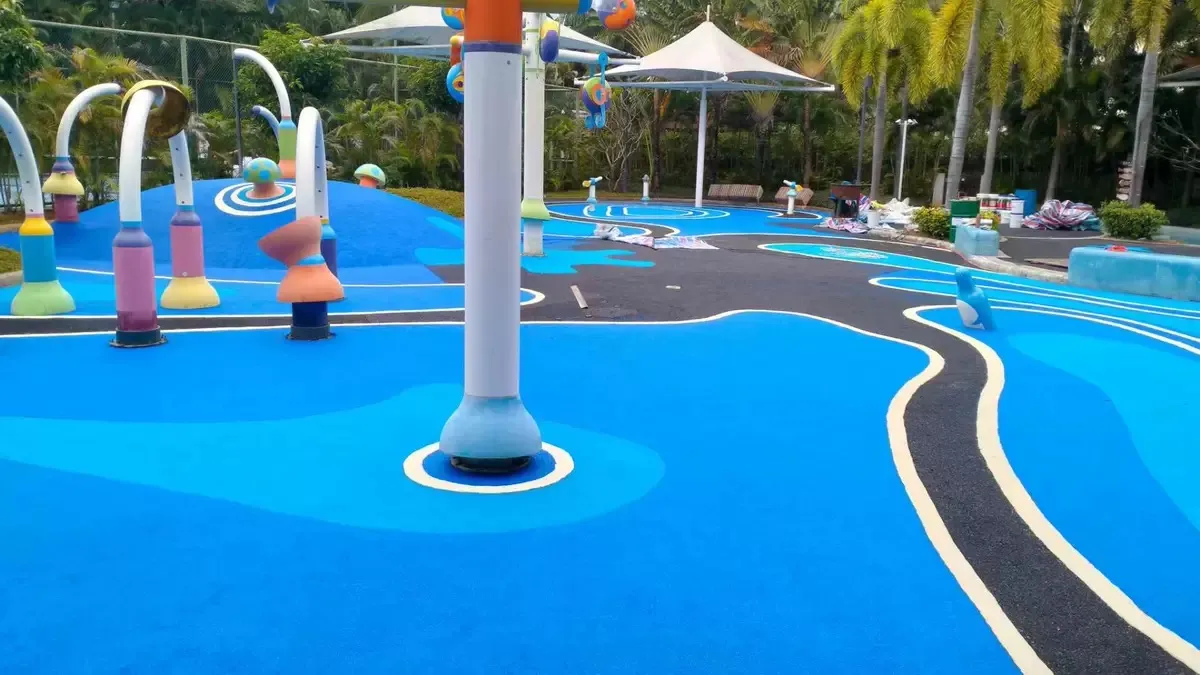
EPDM Playground Installation: 5-Step Guide

EPDM Playground Installation: 5-Step Guide

Shedding and cracking can result from a poor bond, unsuitable site conditions or opening the surface before it has cured. Use the installation instructions and test evidence for the specified playground system to set the working parameters.

EPDM playground surfacing

1. Inspect and prepare the base

Confirm the base type, condition, moisture and drainage against the system specification. Resolve cracks, loose material and contamination before starting.

2. Confirm the binder and mix

Use the binder approved for the granule and system. Measure the components by the documented mix ratio and follow the specified mixing procedure. Ask the supplier about conditions outside the stated installation window before changing the formulation.

3. Check the weather and site conditions

Record air and substrate conditions and check the forecast during application and curing. Follow the system’s temperature, moisture and weather limits.

4. Place and compact each layer

Lay out the colours and joints before mixing. Place and finish the material to the specified depth and profile, paying attention to edges, seams and drainage. For colour zoning and sample review, see our EPDM granule colour guide.

5. Protect the surface during curing

Keep the area closed until it meets the manufacturer’s reopening criteria. Check finish, bond and layer depth, and arrange any required field tests before handover. For impact testing and equipment fall zones, see the guide to playground thickness and fall height.

Browse construction guides or contact FUXIN to discuss your project.
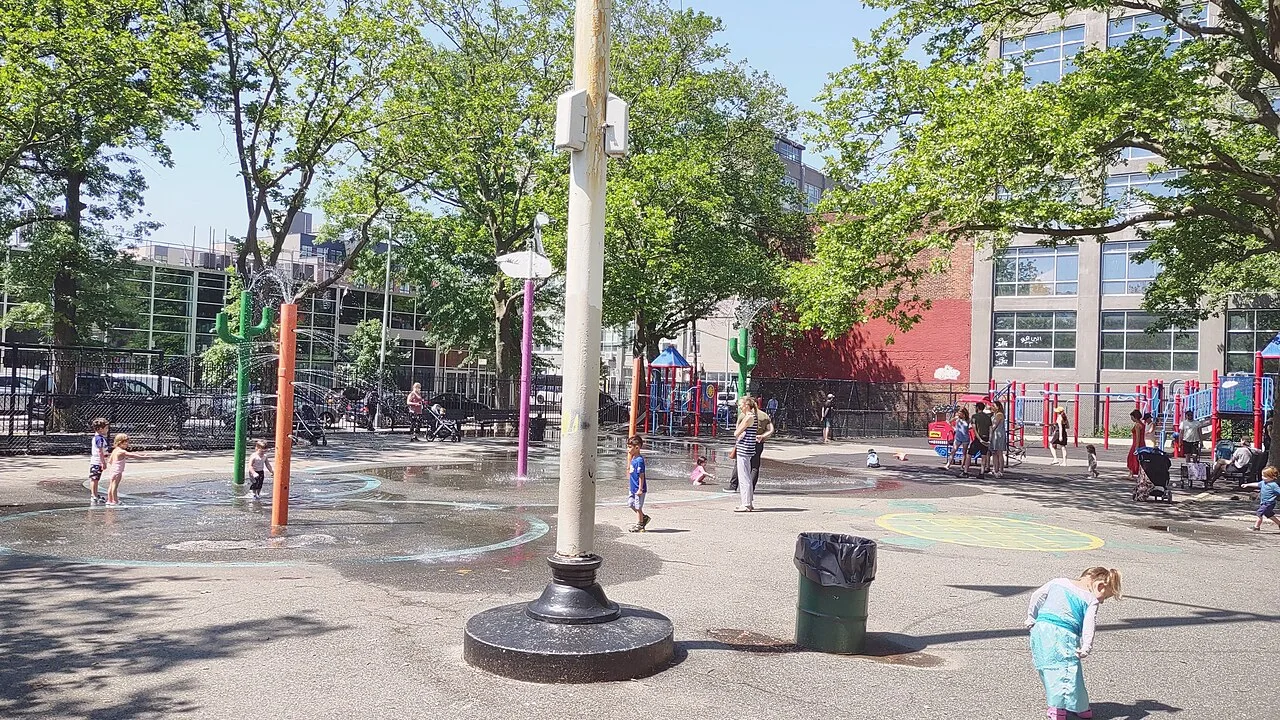
EPDM Playground Tender Checklist for Spain

EPDM Playground Tender Checklist for Spain

Begin with the tender notice, technical specifications and administrative conditions for the specific school project. These documents identify the required submissions and whether the scope includes material supply, installation or both.

Playground illustration

Check bidder eligibility

Read the tender conditions for registration, evidence of financial and technical capacity, and submission deadlines. Article 67 of Spain’s Public Sector Contracts Law addresses eligibility for qualifying businesses from other EU or European Economic Area states. Check the applicable provisions for the bidder’s circumstances. For broader sports projects, see our guide to EPDM surfacing for sports venues in Spain.

Separate material documents from system evidence

Gather the requested product data, batch information and declarations. If the tender specifies an impact test for playground surfacing, confirm that the report covers the proposed system and layer build-up. Check which documents are due with the bid and which are required at delivery or acceptance. Our guide to playground thickness and fall height explains what to look for in the proposed system’s impact test report.

Record open questions before submission

Make a checklist with the clause number, required evidence, responsible party and deadline. Ask the contracting authority through the official tender channel if a requirement is unclear. Keep the current tender documents and any formal clarifications together.

Spain’s Public Sector Contracts Law

Browse product documentation or contact FUXIN to discuss your project.
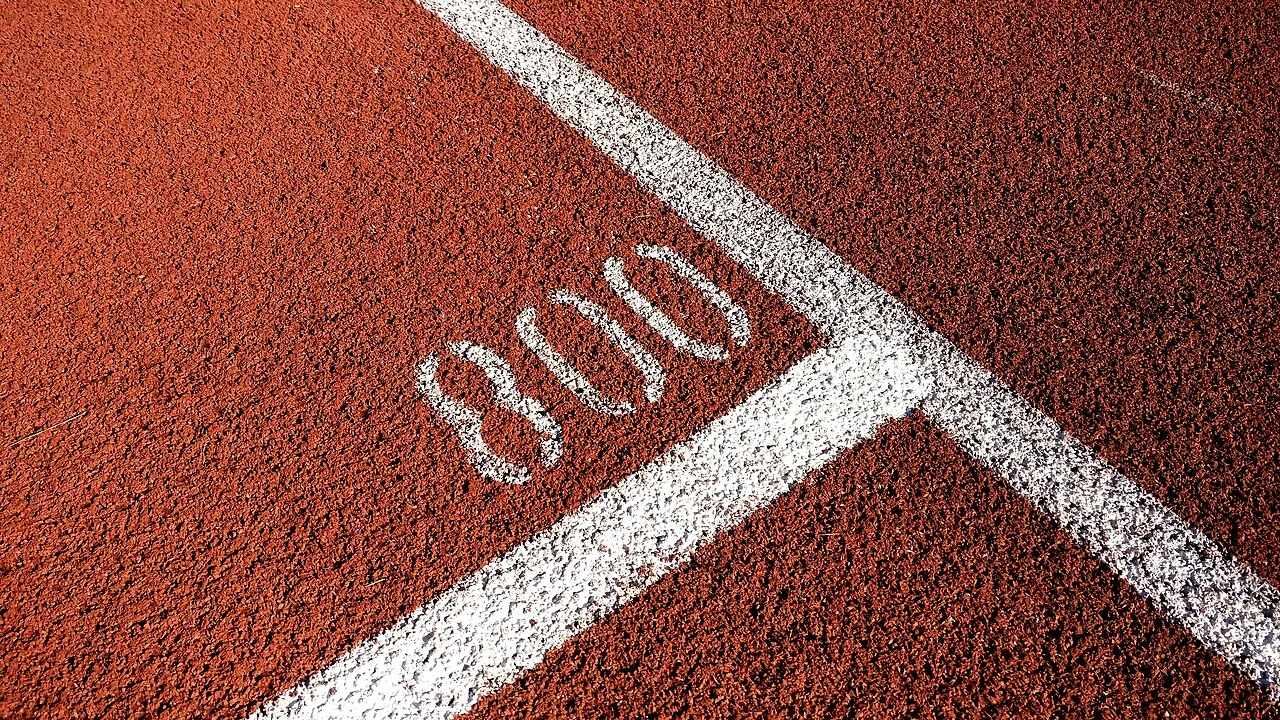
EPDM Surfacing for Sports Venues in Spain

EPDM Surfacing for Sports Venues in Spain

Sports venues can include competition tracks, training courts, pedestrian routes and recreation zones. In Spain, use the project specification and relevant authority requirements to decide which system is suitable for each zone.

Sports venue illustration

Separate competition and training surfaces

For a competition track, identify the level of competition and obtain the governing body’s track and runway requirements. Training or multi-use areas may have different goals, so evaluate their layout, drainage, wear and maintenance needs separately. See our guide to choosing EPDM granules for running tracks for the material questions to ask about a proposed track system.

Evaluate circulation and public areas

For walkways, entrances and recreation areas, check accessibility, wet slip performance, drainage and cleaning requirements. Where a venue includes a playground, assess the specified impact-attenuating system against equipment fall heights and applicable project requirements. For adjacent parking or service areas, see how to assess EPDM suitability in garages by traffic and exposure. For play zones, see how fall height and tested surfacing thickness inform system selection.

Request evidence for the proposed system

Collect the layer specification, relevant test reports, installation instructions and maintenance plan. If you need a comparable project reference, ask for a documented installation using a comparable system and verify its scope before relying on it. For public school projects, see the companion EPDM playground tender checklist for Spain.

Browse surfacing references or contact FUXIN to discuss your project.
EPDM Playground Thickness and Fall Height

EPDM Playground Thickness and Fall Height

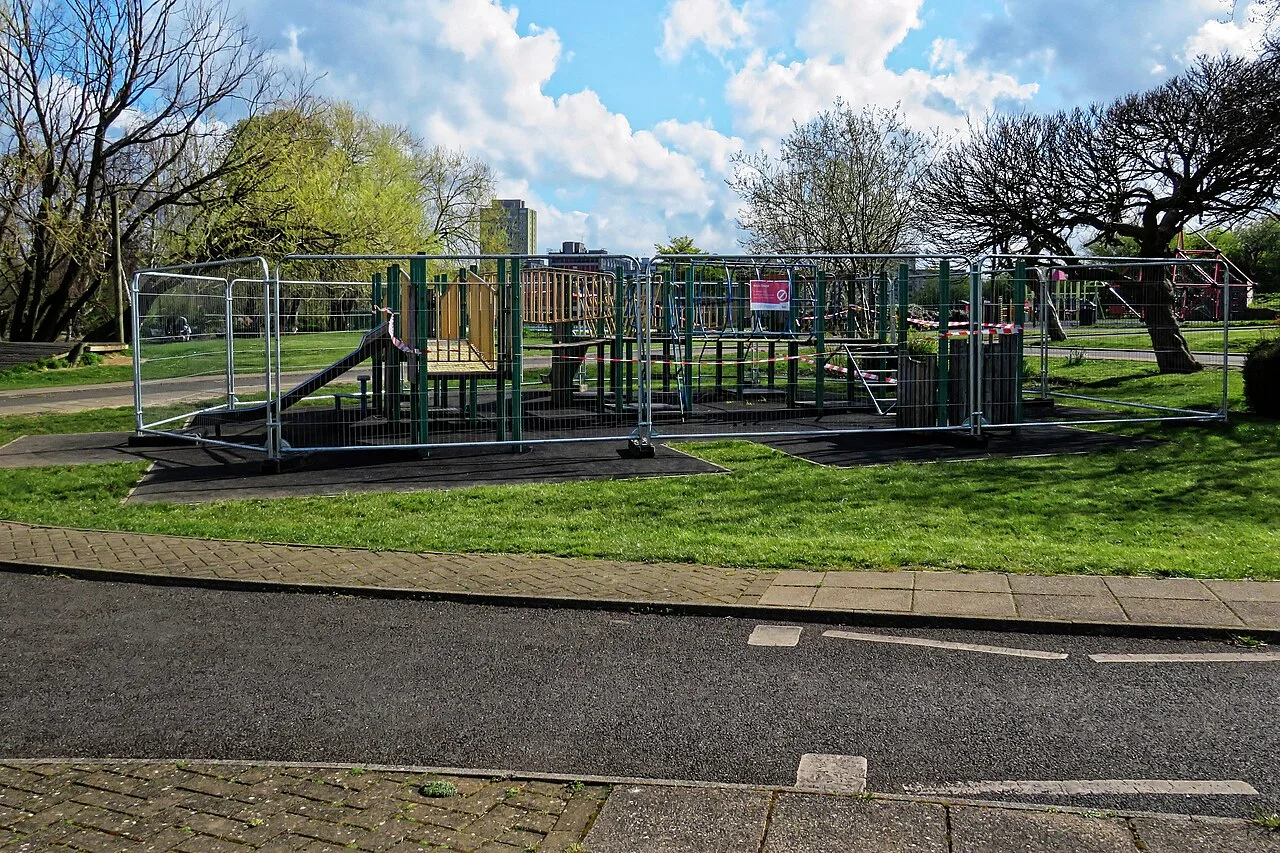
For playgrounds, start with the equipment’s fall height and the test evidence for the entire surfacing system. The depth of a coloured EPDM layer alone does not establish the impact performance of the installed surface.

Playground surfacing illustration

Map the equipment and fall zones

Obtain the equipment manufacturer’s fall-height information and identify the applicable use zones. Have the project designer confirm which local standard and acceptance procedure apply to each area.

Match the tested construction

Request an impact test report that identifies the exact system, including layer materials, thicknesses and base conditions. For U.S. projects, the CPSC handbook discusses ASTM F1292 and recommends a surface with a critical height rating at least as high as the equipment fall height. Confirm local requirements for projects outside the United States. If the project is a school tender in Spain, use the tender checklist to organise the requested test reports and product documents.

Verify installation and maintenance

Record the specified build-up, check installation against it and arrange any field tests required by the project. Keep the test reports and maintenance instructions available for inspections. The five-step playground installation guide covers base preparation, placement and curing before handover.

CPSC Public Playground Safety Handbook

Explore playground surfacing or contact FUXIN to discuss your project.

EPDM Thickness for 100 m Sprint and Hurdle Tracks

EPDM Thickness for 100 m Sprint and Hurdle Tracks

Specify the track system for the intended level of use before deciding on layer thickness. A 100 m straight may form part of a school training facility or a competition venue. The project specification and relevant performance requirements determine the build-up.

Sprint track illustration

Distinguish the wearing layer from the full system

A bonded EPDM wearing layer may sit over a separate resilient layer and a prepared base. Drawings and quotations should list the depth of each layer and the total depth of the synthetic surface so suppliers and installers price the same system. For the material decisions that go with the layer build-up, see how to select running track granules.

Confirm the specification and acceptance checks

Review the system documentation, base tolerances and drainage. Where competition certification is required, use the governing body’s technical documents and agree what product evidence and field tests the facility needs.

Check before installation

Confirm the granule grading, binder and installation instructions for the chosen system. Record the specified thickness and how it will be checked on site. Resolve variations around transitions, edges or repaired areas before laying the surface. Once coverage is confirmed, use the EPDM granule estimating example to calculate order quantities by layer.

World Athletics technical documents

Explore running track systems or contact FUXIN to discuss your project.
How to Choose EPDM Granules for Running Tracks

How to Choose EPDM Granules for Running Tracks

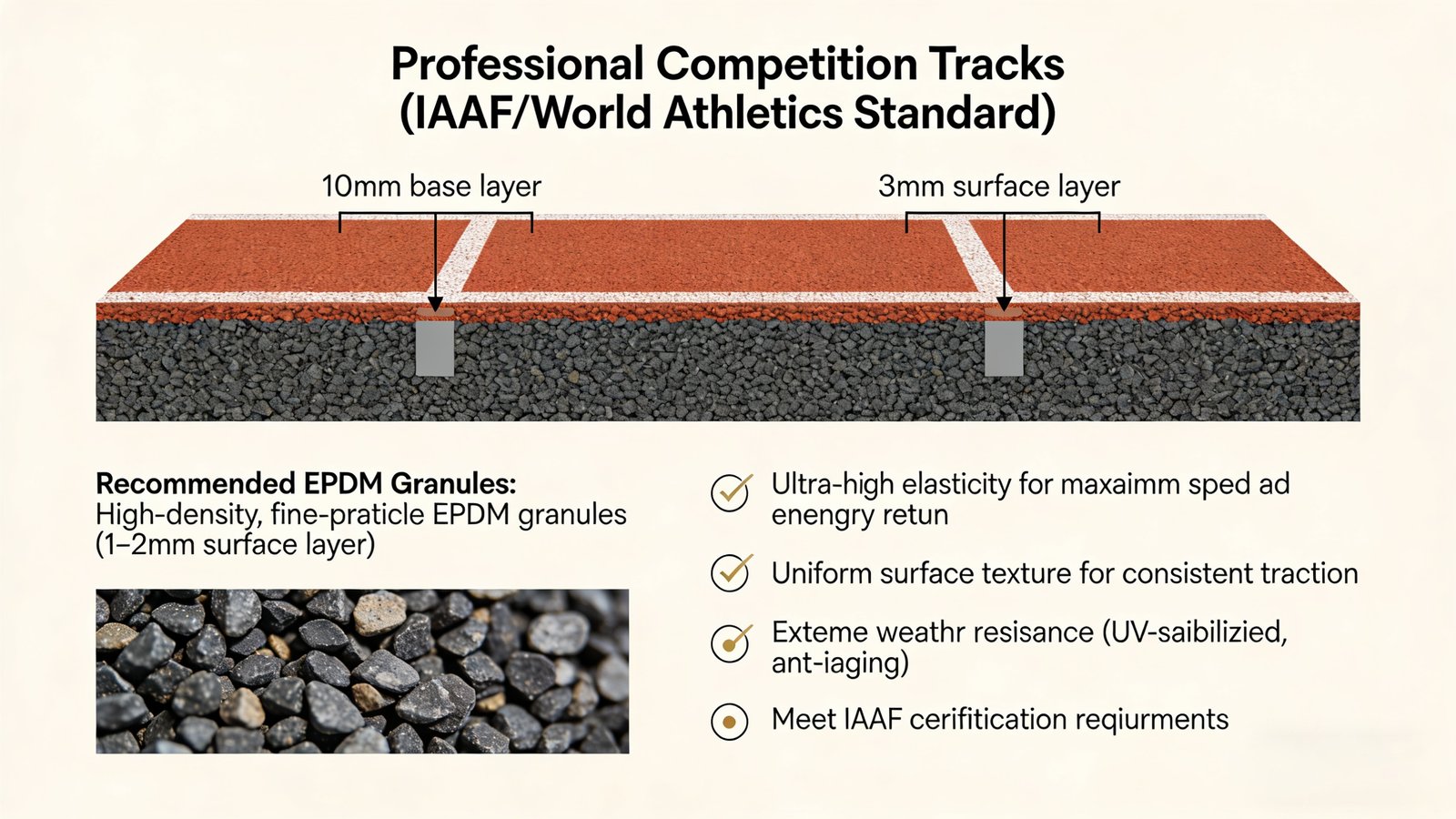
Start with the intended use and surface system, then select a granule size and binder compatible with that system. Compare competition, training and recreational tracks by their performance needs, installation conditions and maintenance plan.

Running track surface

Competition facilities

Check the governing body’s technical requirements and the track system’s documentation. Where certification applies, confirm which product certificate and field tests are required for the intended level of competition. A particle size or thickness on its own does not establish conformity. For straightaways, see how to specify EPDM thickness for sprint and hurdle tracks.

School, training and community tracks

Review traffic, weather exposure, drainage and maintenance with the designer. Ask whether the design uses a porous system or another specified construction. A representative sample can help you compare colour and texture before ordering.

What to give your supplier

Share the surface build-up, area, finish, installation method and expected use. Request the granule grading and compatible binder, and confirm coverage by layer so the installer can prepare an order. Use the track granule estimating guide to convert the specified coverage and area into order quantities.

World Athletics technical documents

Explore running track systems or contact FUXIN to discuss your project.

Estimating EPDM Granules for a 1,000 m Track

Estimating EPDM Granules for a 1,000 m Track

For a custom 1,000 m loop, estimate from the actual paved area on the drawings and the granule coverage stated for the specified surface. World Athletics publishes a 400 m standard track marking plan for competition facilities. A custom recreation loop has its own geometry and specification.

Running track illustration

Measure the area to be surfaced

Use the area of each zone from the drawings or a site takeoff. Include any widened sections and separately surfaced areas. A stated loop length alone does not establish area because the measurement line, curve geometry and lane widths can vary.

Calculate each material separately

Multiply the zone area in square metres by the supplier’s confirmed granule coverage in kilograms per square metre for that layer. Sum the zones by colour and product. Use the appropriate coverage for the base layer and calculate binder separately using the specified mix ratio and coverage. The guide to sprint and hurdle track thickness explains how to distinguish the wearing layer from the full system. If the system is still being specified, start with our guide to choosing EPDM granules for running tracks.

Worked example with hypothetical inputs

If a zone is 500 m² and the specified EPDM granule coverage is 4 kg/m², the theoretical quantity is 2,000 kg. A project allowance of 5% would bring the order quantity to 2,100 kg before pack-size rounding. These inputs illustrate the arithmetic. Obtain the actual coverage and allowance for your project. Once the material quantities are confirmed, use the packaging and shipping guide to check pack sizes and unloading requirements.

World Athletics technical documents

Browse construction guides or contact FUXIN to discuss your project.
Where to Use EPDM Granules in Garages

Where to Use EPDM Granules in Garages

Assess bonded EPDM surfacing zone by zone. A garage entrance, a pedestrian walkway and a service bay face different loads and contaminants. Ask for test data for the complete floor system under the conditions you expect.

Garage flooring illustration

Pedestrian routes and entrances

For walking routes or transition areas, consider the surface profile, drainage and performance when wet. Check how the edge will meet the adjacent floor and whether the installed surface can be cleaned without leaving residue. For a similar approach to separating pedestrian routes from other uses, see our guide to surfacing sports venue zones.

Parking bays and vehicle routes

Tyre turning, repeated wheel loads and vehicle fluids can affect the surface, binder and bond to the base. Use a system specifically rated for those conditions. Ask for evidence for the actual vehicle type, traffic and cleaning method before specifying it.

Workshops and spill-prone areas

Obtain compatibility data for expected fuels, lubricants and cleaning agents. Check the substrate for cracks, moisture and contamination. Compare suitable floor systems where spill containment, frequent wash-down or heavy equipment is part of normal use.

Explore multi-use surfacing applications or contact FUXIN to discuss your project.
EPDM Rubber Granule Packaging and Shipping

EPDM Rubber Granule Packaging and Shipping

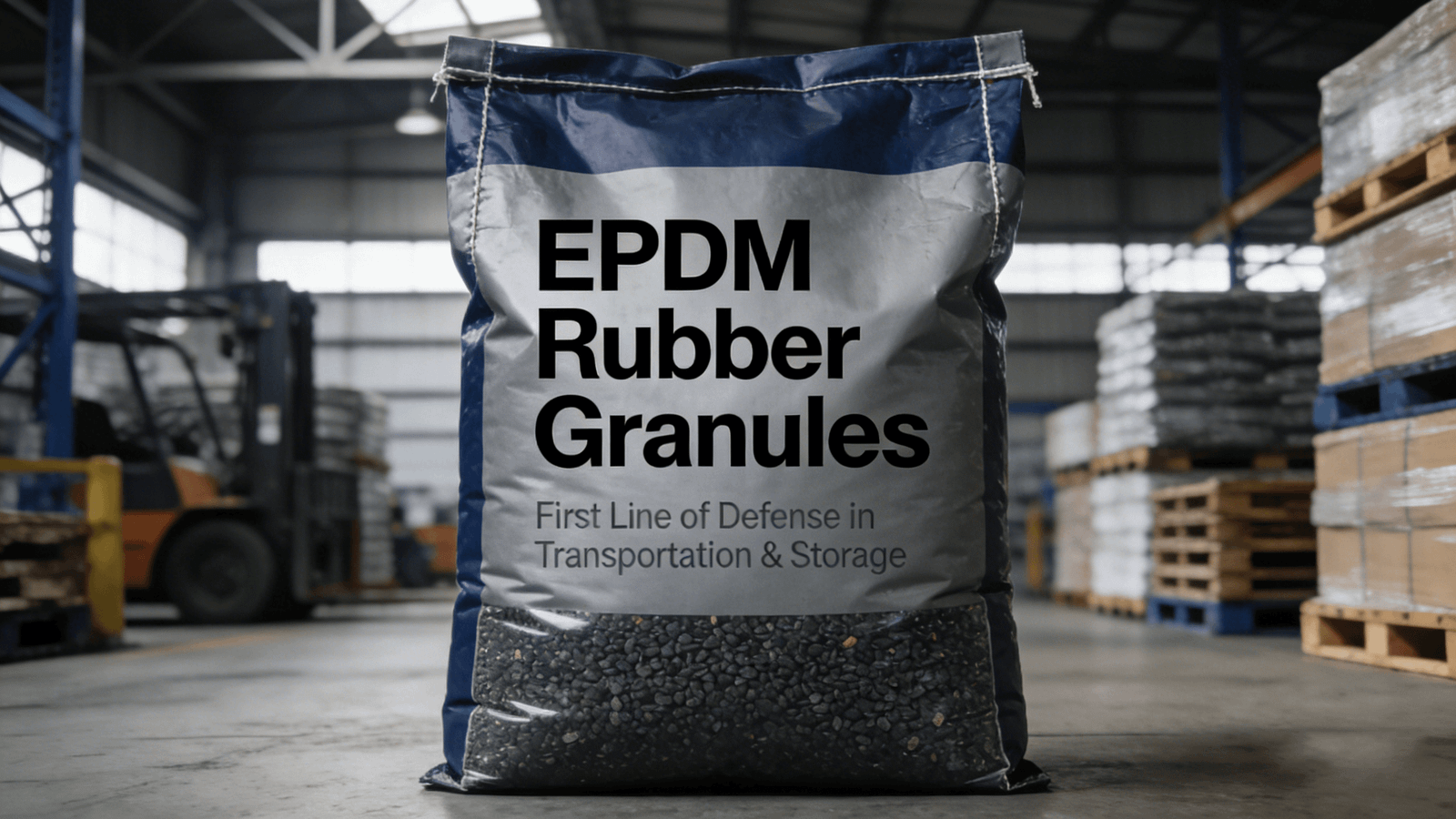
EPDM granules can be packed in smaller bags for handling by colour or in bulk bags for larger orders. Confirm the packing format before ordering. The right format depends on the lot size, how the materials will be unloaded and how they will be staged at the installation site.

EPDM granule packaging

Specify the packing format

Ask for the confirmed net weight per bag, pallet dimensions, gross shipment weight and lifting instructions. If your project has several colours or particle sizes, request a packing list that separates those items and identifies each lot. Use the track material estimate to turn a quantity by colour into a packing request.

Keep lots identifiable and dry

Check the labels against the packing list when the shipment arrives. Inspect closures, liners and pallets for damage or moisture. Keep bags sealed and stored according to the supplier’s instructions. Photograph damage and record the batch numbers before moving or opening affected bags. If the order includes several colours, use the EPDM colour comparison guide when reviewing samples and matching batches.

Compare freight quotes on the same terms

Give the supplier your destination, quantity, delivery window and unloading equipment. Ask what is included in the quoted transport terms, which documents are supplied and what happens if the delivery is delayed. Confirm the lead time for your order before scheduling installation.

Browse surfacing materials or contact FUXIN to discuss your project.